What is Person-Centered Therapy?
When we talk about therapy, we often think of someone giving advice or offering solutions. But person-centered therapy takes a very different approach. It’s based on the belief that you already have within you everything you need to grow and heal. Often, you just need the right environment for that process to unfold.
This approach was developed by psychologist Carl Rogers, who radically reshaped the field of psychotherapy in the mid-20th century. Before Rogers (and other therapists who pioneered the age of humanistic approaches), therapy often followed a more directive or analytical model. Therapists were seen as the experts, interpreting clients’ experiences or prescribing the “right” way to change. Therapists were also expected to remain a “blank slate” — the thinking was that this neutrality would allow a client to project their own experiences and internal conflicts onto the therapist, allowing for processing of these themes. Rogers saw something different.
He believed that healing happens most naturally in a genuine relationship built on trust, empathy, and authenticity, not hierarchy. Instead of focusing on diagnoses or techniques, Rogers emphasized the therapeutic relationship itself as the most powerful agent of change. His ideas transformed how therapy is practiced today and laid the groundwork for many modern, relational, and trauma-informed approaches.
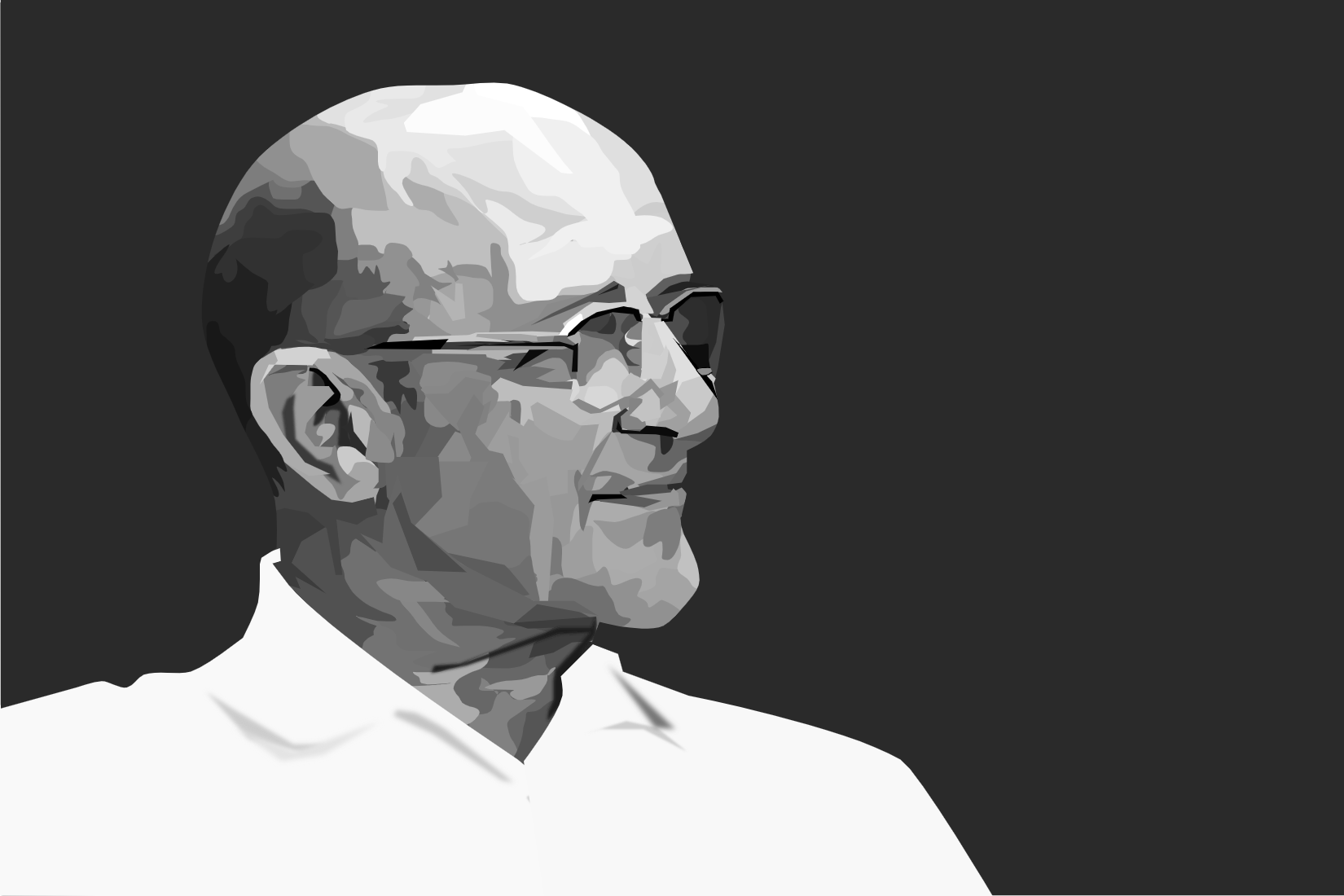
“The curious paradox is that when I accept myself just as I am, then I can change.”
— Carl Rogers
The Core of Person-Centered Therapy
Rogers identified three essential conditions for growth: empathy, unconditional positive regard, and genuineness. In simple terms, that means your therapist strives to understand your inner world without judgment, values you exactly as you are, and shows up as a real, authentic person, not as an expert telling you what to do.
This creates a safe, accepting space where you can explore your experiences freely. When you feel seen and accepted just as you are, it becomes easier to connect with your own inner wisdom, make sense of what’s happening inside you, and move toward healing.
Why It Matters
In a world that often asks us to perform, perfect, or meet others’ expectations, person-centered therapy offers something radical: the space to simply be.
That kind of acceptance can be profoundly healing, especially for people who have spent much of their lives feeling unseen, misunderstood, or not good enough. Rogers’ work showed that genuine human connection is not just comforting, it’s transformative. His approach helped shift the entire field of psychology toward seeing clients not as problems to be solved, but as people with inherent worth, resilience, and the capacity to heal.
Person-Centered Therapy in Duncan, BC and Online Across Canada
If you’re looking for a therapy space where you can be met with warmth, understanding, and respect for your pace and process, person-centered therapy might be a good fit.
I offer person-centered counselling in Duncan, BC, and virtual therapy across Canada. You can learn more about my approach here, or book in a free 20-minute consult to see if this approach feels right for you.